The Senior Strength Diet: 7 Essential Nutrients to Prevent Malnutrition, Maintain Muscle and Overall Health

Introduction
Imagine this: Your 78-year-old mother has always been independent. Lately, she seems more tired. Her clothes are hanging a bit looser. She says she's "just not that hungry anymore."
This scenario plays out in millions of homes, and it's not just "normal aging." It's the early warning sign of protein-energy malnutrition—a condition affecting up to 1 in 3 older adults living in the community (and over 50% in hospitals) in US. In Singapore, 4 in 5 aged 65 and above who do not eat enough protein are at risk of malnutrition and have low muscle mass, making them prone to injury and falls. Common symptoms include reduced appetite, increased tiredness, reduced strength and ability to carry daily items like groceries.
The good news? It's entirely preventable. And even better: it's reversible.
This guide isn't about bland "senior diets" or restrictive eating. It's about strategic nutrition—eating to maintain muscle, boost energy, strengthen bones, and protect immunity. Because aging doesn't mean decline; it means adapting how we fuel our bodies.
Why Seniors Are at Higher Risk (And Why It's Not Their Fault)
Before we dive into what to eat, let's understand why eating well becomes harder with age:

Let's get into the meat (pun intended) of the guide. These are the non-negotiable nutrients that directly impact muscle, bone, and immune health.
1. Protein: The Muscle Builder (Aim: 1.0–1.2 grams per kg of body weight)
For a 150-lb (68 kg) senior, that's 68–82 grams of protein daily.
Why it matters: After age 50, we experience sarcopenia—natural age-related muscle loss. A 2025 systematic review and meta-analysis, which pooled data from 52 studies involving over 70,000 older adults, estimated its overall prevalence in community-dwelling populations at 18.8%. Importantly, the risk increases dramatically with age; research from the ARIC cohort study found that while the prevalence is around 5% for those aged 65-69, it rises to 36% for individuals aged 85-89.
Protein provides the amino acids needed to rebuild and maintain muscle tissue. Without adequate protein, even gentle exercise won't preserve strength. A 2025 review in the Proceedings of the Nutrition Society suggests that current protein recommendations (0.8g/kg/day) may be insufficient for healthy muscle aging. It points to contemporary research advocating for an increased intake of >1.0g/kg/day for older adults. In a recent study in 2025, clinical trial involving women aged 60-75 with sarcopenia demonstrated that a moderately high protein intake (1.2 g/kg/day) for 12 weeks led to significant improvements in muscle mass, handgrip strength, and knee flexion, as measured by MRI.
Best sources:
Animal: Skinless poultry, fish (especially salmon and tuna), eggs, Greek yogurt, cottage cheese, lean beef (in moderation)
Animal: Skinless poultry, fish (especially salmon and tuna), eggs, Greek yogurt, cottage cheese, lean beef (in moderation)
Plant: Lentils, chickpeas, tofu, tempeh, edamame, quinoa, nuts, and seeds
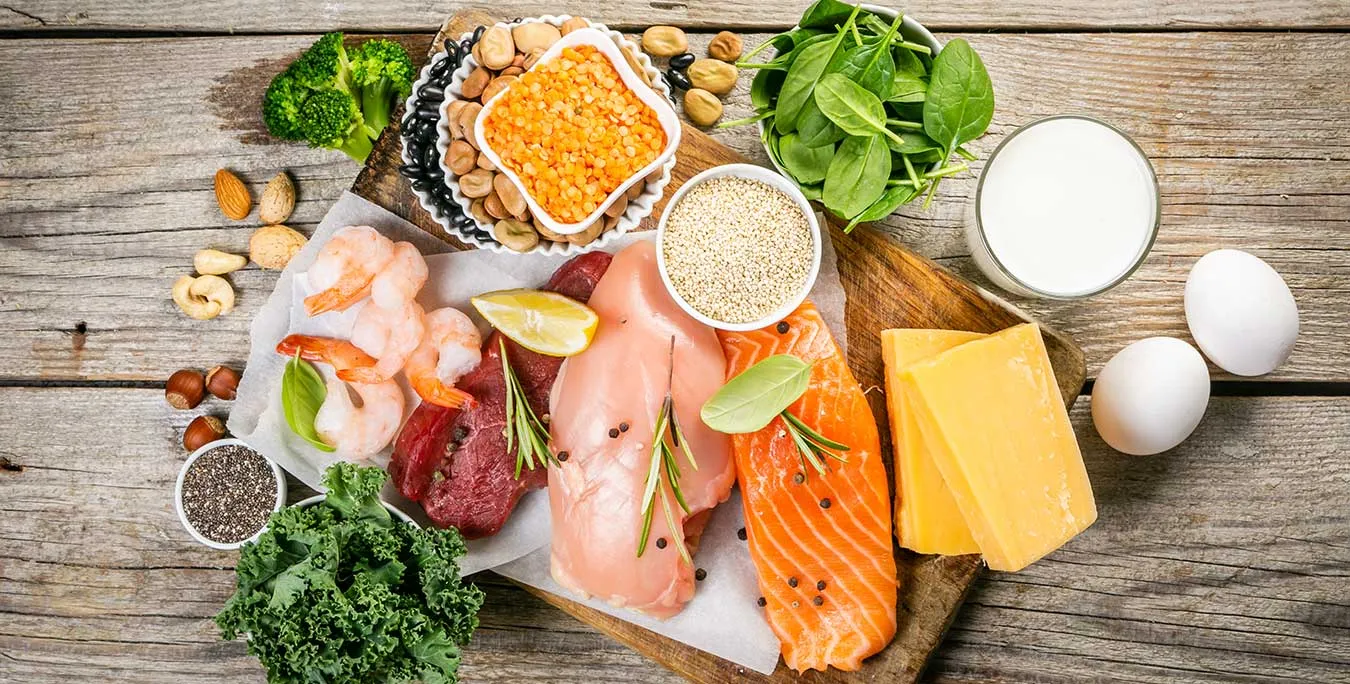
Supplements: If chewing is hard, consider unflavored protein powder (whey or pea) mixed into soups, oatmeal, or smoothies
Pro Tip: Distribute protein across all three meals rather than eating it all at dinner. Aim for 20–30 grams per meal for optimal muscle synthesis.
Why it matters: Osteoporosis isn't inevitable. Calcium builds bone density, but without vitamin D, calcium can't be absorbed. A well-established physiological observation shows that for any given level of active vitamin D (1,25 dihydroxyvitamin D), elderly women have significantly lower calcium absorption compared to younger women. A foundational study investigating calcium malabsorption in elderly women found it was predominantly due to vitamin D deficiency, which could be corrected by restoring vitamin D levels to normal ranges.
Together, they reduce fracture risk—a leading cause of disability in seniors. It was found that calcium + vitamin D combined, resulted in a small reduction in hip fracture risk (RR 0.84). In high-risk populations such as nursing home residents, this translates to 9 fewer hip fractures per 1,000 older adults per year.
Best calcium sources:
Dairy: Milk, yogurt, cheese
Fortified plant milks (soy, almond, oat)
Canned sardines or salmon (with bones!)
Leafy greens: kale, collard greens, bok choy
Fortified cereals and orange juice
Best vitamin D sources:
Sunlight (but aging skin produces less, so food matters more)
Fatty fish (salmon, mackerel, sardines)
Egg yolks
Fortified milk and cereals
Best calcium sources:
Dairy: Milk, yogurt, cheese
Fortified plant milks (soy, almond, oat)
Canned sardines or salmon (with bones!)
Leafy greens: kale, collard greens, bok choy
Fortified cereals and orange juice
Best vitamin D sources:
Sunlight (but aging skin produces less, so food matters more)
Fatty fish (salmon, mackerel, sardines)
Egg yolks
Fortified milk and cereals

Supplement: Most seniors will need a supplement since food sources alone rarely hit the target. Consult a doctor for dosage.
3. Fiber: The Digestive Helper (Aim: 25–30 grams/day)
Why it matters: Fiber prevents constipation (a common and uncomfortable issue), supports gut health, and helps manage blood sugar and cholesterol. In a study evaluating metabolic syndrome in older adults (mean age 68.6 years) found that dietary interventions promoting at least 25 g/day of fiber were among the recommended approaches to improve glycemic control and lipid parameters.
Best sources:
Whole grains: Oats, brown rice, whole-wheat pasta, quinoa
Fruits: Apples (with skin), berries, pears, bananas
Vegetables: Broccoli, carrots, sweet potatoes, peas
Legumes: Beans, lentils, chickpeas
Chia seeds and flaxseeds (easy to sprinkle into yogurt or oatmeal)
Pro Tip: Increase gradually and drink plenty of water—otherwise, fiber can cause bloating.

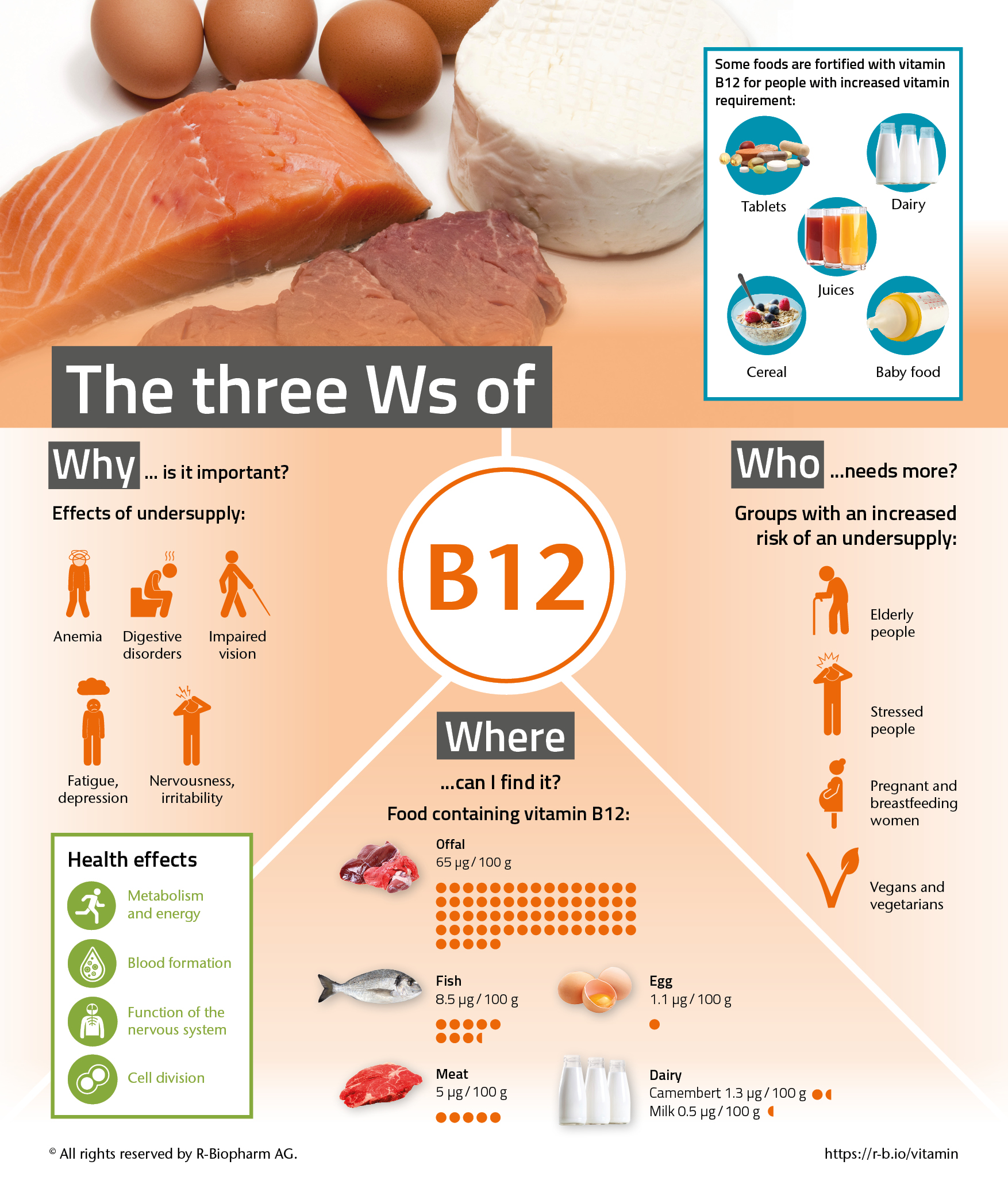
4. Vitamin B12: The Energy Booster (Aim: 2.4 mcg/day)
Why it matters: Up to 20% of older adults have low B12 levels. It's essential for red blood cell formation, nerve function, and cognitive health. Deficiency can mimic dementia symptoms—fatigue, confusion, and memory issues. A large 2025 observational study of over 4,500 older adults found that low vitamin B12 status was associated with a 30% higher risk of cognitive dysfunction.
Best sources:
Animal products are the only natural source: Beef liver, clams, fish, poultry, eggs, and dairy
Fortified cereals and plant milks
Supplement: Many seniors absorb B12 poorly through food due to reduced stomach acid. A sublingual (under the tongue) B12 supplement or injection may be recommended. In a recent study, 811 elderly participants at risk of malnutrition were provided with beta-hydroxybeta-methylbutyrate (HMB) per day. HMB is said to improve muscle strength by reducing protein breakdown and result have shown that it lower risk of malnutrition by three times.
Why it matters: Up to 20% of older adults have low B12 levels. It's essential for red blood cell formation, nerve function, and cognitive health. Deficiency can mimic dementia symptoms—fatigue, confusion, and memory issues. A large 2025 observational study of over 4,500 older adults found that low vitamin B12 status was associated with a 30% higher risk of cognitive dysfunction.
Best sources:
Animal products are the only natural source: Beef liver, clams, fish, poultry, eggs, and dairy
Fortified cereals and plant milks
Supplement: Many seniors absorb B12 poorly through food due to reduced stomach acid. A sublingual (under the tongue) B12 supplement or injection may be recommended. In a recent study, 811 elderly participants at risk of malnutrition were provided with beta-hydroxybeta-methylbutyrate (HMB) per day. HMB is said to improve muscle strength by reducing protein breakdown and result have shown that it lower risk of malnutrition by three times.
5. Potassium: The Blood Pressure Balancer (Aim: 3,500–4,700 mg/day)
Why it matters: Potassium counteracts sodium, helping maintain healthy blood pressure and reducing stroke risk. Dietary potassium restriction increases sodium and chloride retention, whereas potassium administration promotes both diuresis (urine production) and natriuresis (sodium excretion) . This means potassium actively helps the body flush out excess sodium. It also supports muscle contractions and nerve signals.
Chinese health authorities also confirm that potassium intake is negatively correlated with blood pressure levels—meaning higher potassium equals lower blood pressure—and recommend a daily potassium intake of 3.5–4.7 grams for seniors. The World Health Organization (WHO) strongly recommends increasing dietary potassium intake for adults to reduce the risk of cardiovascular disease, stroke, and coronary heart disease.
Best sources:

Why it matters: Omega-3s reduce inflammation, support cognitive function, lower triglycerides, and may slow age-related macular degeneration. Given that older people are at particular risk of deficiencies in these nutrients due to age-related absorption issues, targeted supplementation may help counteract "inflammaging"—the chronic low-grade inflammation that accompanies aging.
Best sources:
Fatty fish: Salmon, mackerel, sardines, tuna (2–3 servings/week)
Walnuts, flaxseeds, chia seeds
Algae-based supplements (great for vegetarians)
Why it matters: Dehydration is the most common and most overlooked form of malnutrition. Thirst sensation diminishes with age, and seniors can become dangerously dehydrated without feeling thirsty.A 2025 prospective observational study of 454 hospitalized older patients found that 32% were dehydrated, and 42% were malnourished according to GLIM criteria. Chinese clinical guidelines published in 2024 report that dehydration prevalence in older adults ranges from 20.0% to 38.3%, while hospitalized elderly patients with diabetes show rates as high as 82.6%.
Signs to watch for: Dry mouth, dark urine, dizziness, confusion, or constipation.
Best sources:
Water (infuse with lemon, cucumber, or berries for flavor)
Herbal teas (caffeine-free)
Soups and broths
High-water fruits: Watermelon, oranges, grapes, cucumbers
Pro Tip: Keep a water bottle visible and encourage sipping throughout the day—not just with meals.
Sample 1-Day Meal Plan for Senior Strength
Here's a practical, easy-to-chew, and nutrient-packed day of eating

5 Practical Tips for Caregivers & Family Members
Nutrition advice is useless if it's not implementable. Here's how to make it happen:
Make Food Visually Appealing: Use colorful plates (contrasting colors help seniors with vision loss see the food). Arrange food neatly—presentation matters more than you think.
Fortify, Don't Overwhelm: Add extra calories to existing meals without increasing volume:
Adapt Textures: If chewing is tough:
Make Meals Social: Loneliness kills appetite. Eat together whenever possible. If you live far away, schedule a video call during mealtime—it makes a world of difference.
Red Flags: When to See a Doctor
If your elderly loved one experiences any of these, don't wait—consult a healthcare professional immediately:
A doctor may recommend:
A Final Word: It's Never Too Late
Here's the beautiful truth: Muscle responds to nutrition at any age.
Studies show that even 80- and 90-year-olds can gain strength and muscle mass with adequate protein intake and simple resistance exercises (like seated leg lifts or light hand weights). Protein needs increase with age, and muscle protein synthesis can be more effective with the addition of regular and moderate exercise. The body wants to heal—it just needs the right raw materials.
Small changes, repeated daily, create extraordinary results. Your loved one deserves to feel strong, vibrant, and nourished—not just to survive, but to thrive.
Best sources:
Bananas, oranges, cantaloupe
Potatoes and sweet potatoes (with skin)
Spinach, tomatoes, and avocado
Beans and lentils
Pro Tip: Avoid potassium supplements unless prescribed—too much can be dangerous for kidney health. Stick to food sources.
Potatoes and sweet potatoes (with skin)
Spinach, tomatoes, and avocado
Beans and lentils
Pro Tip: Avoid potassium supplements unless prescribed—too much can be dangerous for kidney health. Stick to food sources.
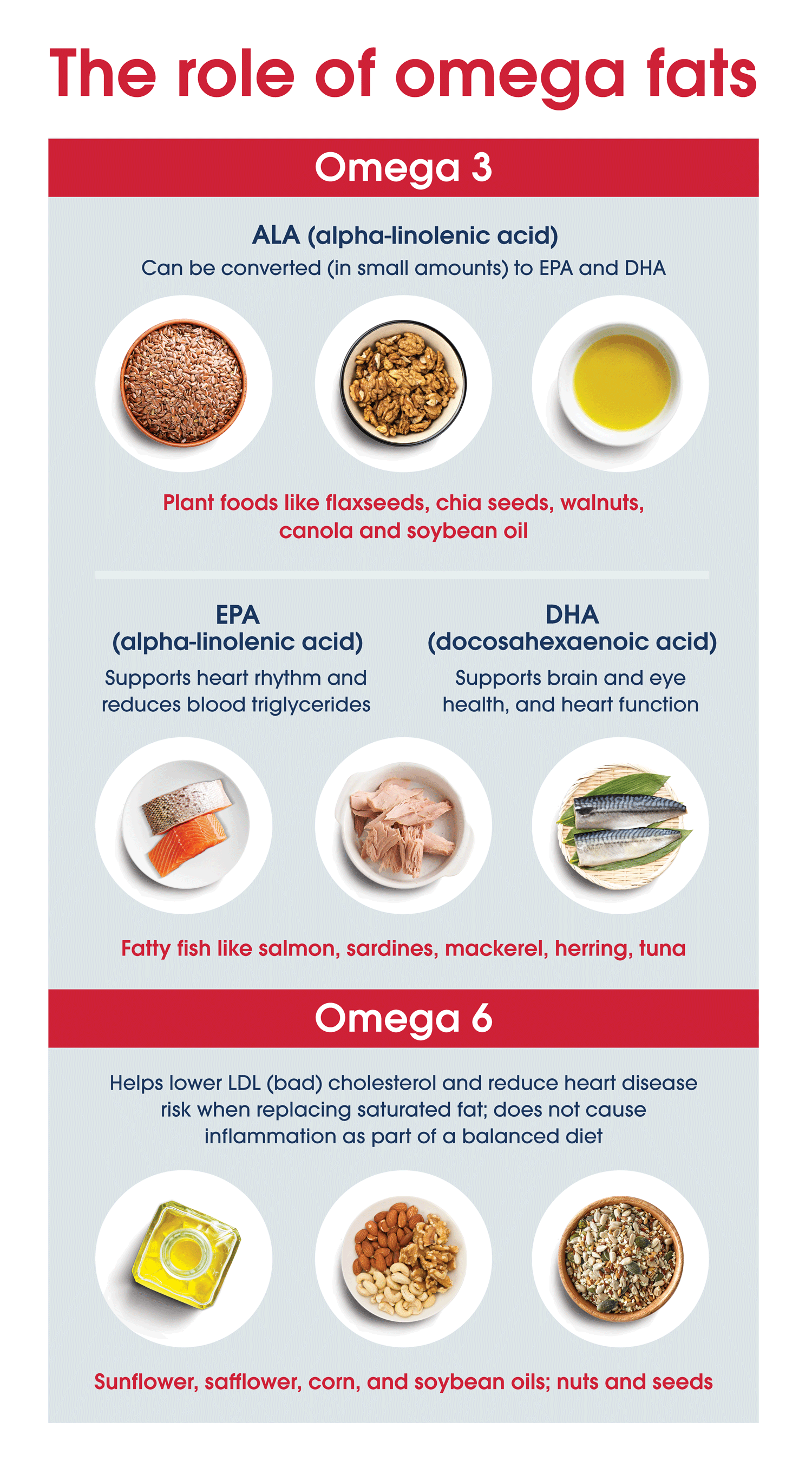
6. Omega-3 Fatty Acids: The Brain & Heart Shield (Aim: 250–500 mg combined EPA/DHA daily)
Why it matters: Omega-3s reduce inflammation, support cognitive function, lower triglycerides, and may slow age-related macular degeneration. Given that older people are at particular risk of deficiencies in these nutrients due to age-related absorption issues, targeted supplementation may help counteract "inflammaging"—the chronic low-grade inflammation that accompanies aging.
Best sources:
Fatty fish: Salmon, mackerel, sardines, tuna (2–3 servings/week)
Walnuts, flaxseeds, chia seeds
Algae-based supplements (great for vegetarians)
7. Fluid: The Forgotten Nutrient (Aim: 6–8 glasses/day)
Why it matters: Dehydration is the most common and most overlooked form of malnutrition. Thirst sensation diminishes with age, and seniors can become dangerously dehydrated without feeling thirsty.
Dehydration is linked to poor wound healing, constipation, kidney stones, falls, frailty, cardiovascular disease, acute kidney injury, venous thromboembolism, increasing disability, and impaired cognitive performance. For example, even 1% to 2% loss of total body water may result in impaired cognitive performance; in older adults, this threshold was shown to be even lower. Cognitive functions such as memory, reaction time, attention, and concentration are affected.
Signs to watch for: Dry mouth, dark urine, dizziness, confusion, or constipation.
Best sources:
Water (infuse with lemon, cucumber, or berries for flavor)
Herbal teas (caffeine-free)
Soups and broths
High-water fruits: Watermelon, oranges, grapes, cucumbers
Here's a practical, easy-to-chew, and nutrient-packed day of eating
Nutrition advice is useless if it's not implementable. Here's how to make it happen:
Make Food Visually Appealing: Use colorful plates (contrasting colors help seniors with vision loss see the food). Arrange food neatly—presentation matters more than you think.
Fortify, Don't Overwhelm: Add extra calories to existing meals without increasing volume:
- Stir a tablespoon of olive oil or butter into mashed potatoes
- Add powdered milk to soups, gravies, or scrambled eggs
- Use full-fat dairy instead of low-fat
Adapt Textures: If chewing is tough:
- Puree soups and stews
- Make smoothies with protein powder
- Serve soft-cooked vegetables and tender meats (slow-cooker is your best friend)
Make Meals Social: Loneliness kills appetite. Eat together whenever possible. If you live far away, schedule a video call during mealtime—it makes a world of difference.
If your elderly loved one experiences any of these, don't wait—consult a healthcare professional immediately:
- Unintentional weight loss of 5% or more in a month (e.g., 5 lbs on a 100-lb person
- Refusing to eat for more than 2 days
- Difficulty swallowing (dysphagia)—this can indicate a serious underlying issue
- Persistent fatigue, confusion, or dizziness
- Swollen or bleeding gums making eating painful
A doctor may recommend:
- A registered dietitian for personalized meal planning
- Blood tests for nutrient deficiencies (B12, iron, vitamin D)
- Speech therapy for swallowing issues
- Medication reviews—some drugs suppress appetite or block nutrient absorption
Here's the beautiful truth: Muscle responds to nutrition at any age.
Studies show that even 80- and 90-year-olds can gain strength and muscle mass with adequate protein intake and simple resistance exercises (like seated leg lifts or light hand weights). Protein needs increase with age, and muscle protein synthesis can be more effective with the addition of regular and moderate exercise. The body wants to heal—it just needs the right raw materials.
- Start small. Pick one change from this guide today:
- Add a protein-rich snack to the afternoon routine
- Switch from white bread to whole grain
- Set a timer to drink water every 2 hours
Small changes, repeated daily, create extraordinary results. Your loved one deserves to feel strong, vibrant, and nourished—not just to survive, but to thrive.


Comments
Post a Comment